
- Gene therapy
- Virus directed enzyme prodrug therapy: induction of herpes simplex virus “thymidine kinase gene” into tumour cell leading to expression of thymidine kinase which halts DNA synthesis and decrease cell growth.
- Tissue inhibitors of matrix metalloprotienase (TIMP): Tumour cell produce both metalloprotinase and their tissue inhibitor (TIMP) causing imbalance between these two leading to proteolysis and spread of the tumour.
- Antiangiogenesis agent: Angiogenesis responsible for tumour growth and invasion.
POSSIBLE FUTURE THERAPEUTIC STRATEGIES OF TREATMENT OF HNSCC
Categories:
Related Post
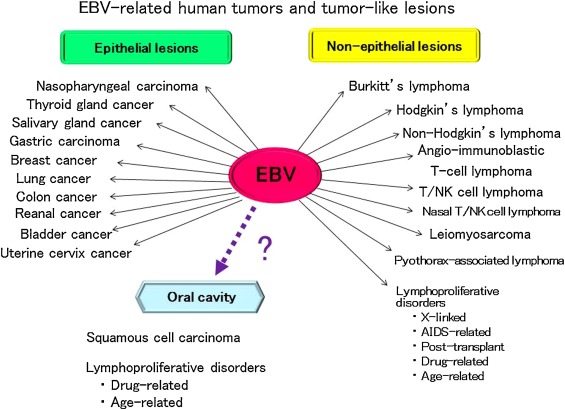
How does EBV turns a normal nasopharyngeal cell into a malignant cells?How does EBV turns a normal nasopharyngeal cell into a malignant cells?
EBV is one of the herpes viruses and B cell lymphotrophic. The primary infection of EBV takes place in childhood and is always accompanied by seroconversion and harboring of the
What are the tumours in ENT treated with selective embolization? List skull base tumours which may benefit from preoperative embolization.What are the tumours in ENT treated with selective embolization? List skull base tumours which may benefit from preoperative embolization.
The following are the head and neck and skull base tumours treated by embolization. commonly treated tumours Meningioma (skull base most benefited) Paraganglioma(skull base most benefited) Juvenile angiofibroma Hemangiopericytoma Less

Enumerate the derivatives of first branchial arch. What are the head and neck structure which develop from 3rd pharyngeal arch and pouch?Enumerate the derivatives of first branchial arch. What are the head and neck structure which develop from 3rd pharyngeal arch and pouch?
In the early embryo, the fore-gut develops between the brain above and the primitive heart below. The mouth is separated from the pharynx by the buccopharyngeal membrane which disappears around